


Mobile apps now sit on the front line of trust.
If you run a bank, a retailer, or a healthcare organization, your app is not “one more channel.” It is where payments happen. It is where identities are verified. It is where sensitive data moves.
That is why secure mobile application development has become a board level topic. Your users may never see your backend, your network, or your policies. They will judge your security by what they experience on a phone.
So what should leaders focus on in 2026?
What actually reduces risk?
And what mistakes keep showing up across industries?
Let’s break it down in a way that is practical for CIOs, CTOs, and compliance leaders.
Why is mobile security harder now?
Because the app is connected to everything.
A modern mobile app touches:
- identity providers
- payment gateways
- customer data platforms
- analytics and event pipelines
- third party SDKs
- APIs that expose core business functions
Each connection is a risk surface.
The other reason is access. Attackers are not always “breaking in” through exotic methods. A huge number of breaches start with stolen credentials or exploited vulnerabilities, according to Verizon’s 2025 Data Breach Investigations Report.
Mobile apps are often where those credentials get captured, reused, or abused.
What is secure mobile application development?
It is not a single tool or a checklist you run at the end.
Secure mobile application development is a set of decisions across the full lifecycle:
- threat modeling before you build
- secure coding patterns
- strong authentication and session control
- encryption and key management
- secure API design
- app hardening and runtime protections
- continuous testing and monitoring
- release governance and incident readiness
In our experience, the teams that do this well treat security as product quality, not a separate “security phase.”
The baseline standard you should know: OWASP MASVS
If you want a widely recognized security standard for mobile apps, start with OWASP MASVS. It defines baseline security and privacy requirements for iOS and Android apps and is used by developers and testers as a common yardstick.
For leadership teams, MASVS is useful because it turns vague security expectations into verifiable requirements.
Why finance, retail, and healthcare need different security emphasis
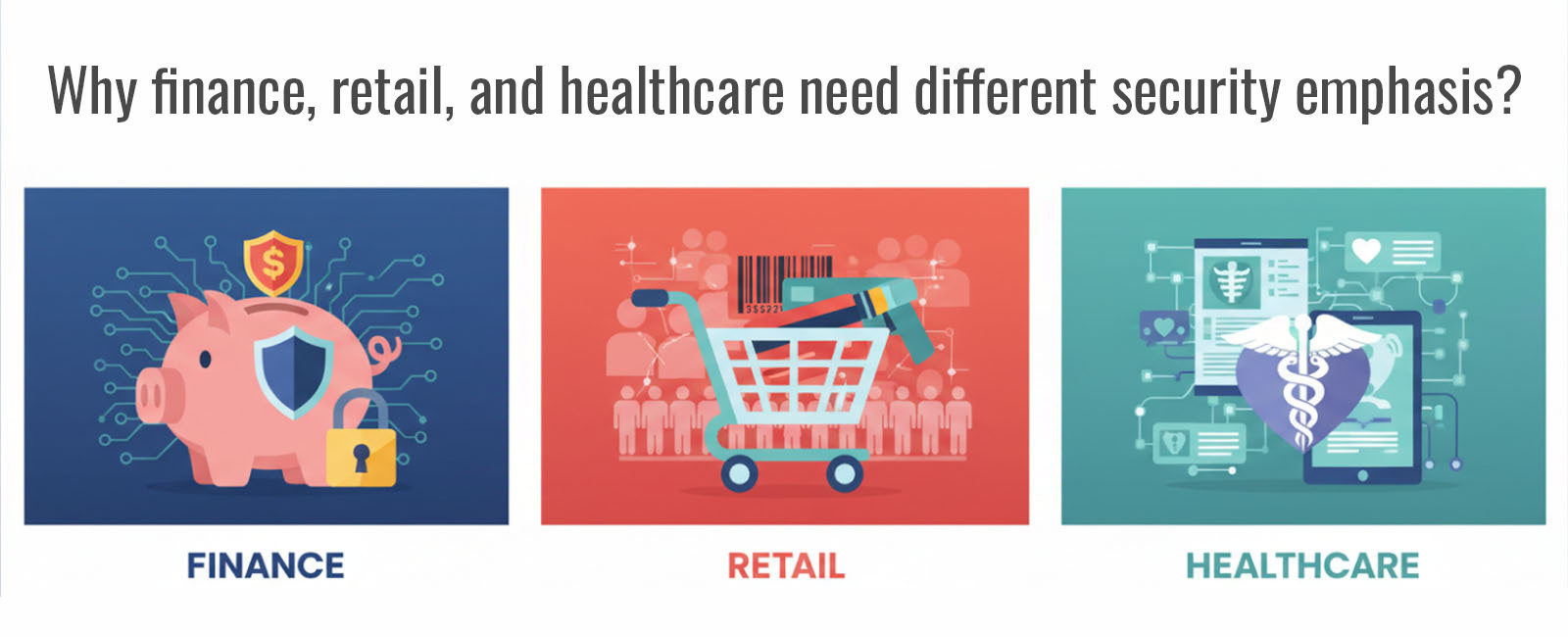
The foundations are shared, but the threat priorities differ.
Finance
- account takeover
- payment fraud
- identity theft
- regulatory obligations
- transaction integrity
Retail
- payment and checkout security
- promo abuse
- loyalty fraud
- bot traffic and scraping
- third party script and SDK risk
Healthcare
- protected health information exposure
- ransomware and operational disruption
- device and telehealth security
- strict access control and audit requirements
Healthcare leaders are increasing focus on cybersecurity capabilities and budgeting, as reflected in HIMSS cybersecurity survey reporting.
The most common question: “Where do we start?”
Start with two things:
- Identify what the app must protect
- Decide how attackers would realistically target it
Here is a simple mapping that works in real projects.
Protect
- identities
- payments
- personal data
- health data
- business workflows
- API access
Likely attack paths
- credential theft and reuse
- insecure storage on device
- weak session control
- API abuse
- third party SDK leakage
- misconfigured backend services
Verizon’s DBIR points out credential abuse and vulnerability exploitation as leading initial attack paths.
Security pillar 1: Identity and authentication that fits mobile
Mobile apps fail when login is treated like a simple form.
For regulated industries, you need layered control.
What good looks like
- SSO where required
- MFA for sensitive actions
- device level biometrics for step up auth
- risk based checks for unusual behavior
- short lived tokens and refresh rotation
- secure session invalidation
What to avoid
- long lived tokens stored carelessly
- “remember me” without risk checks
- weak reset flows
- SMS only strategies for high risk actions
In our experience, the highest impact security win for finance and retail apps is tightening identity flows and session behavior. It reduces account takeover risk fast.
Security pillar 2: Secure storage on the device
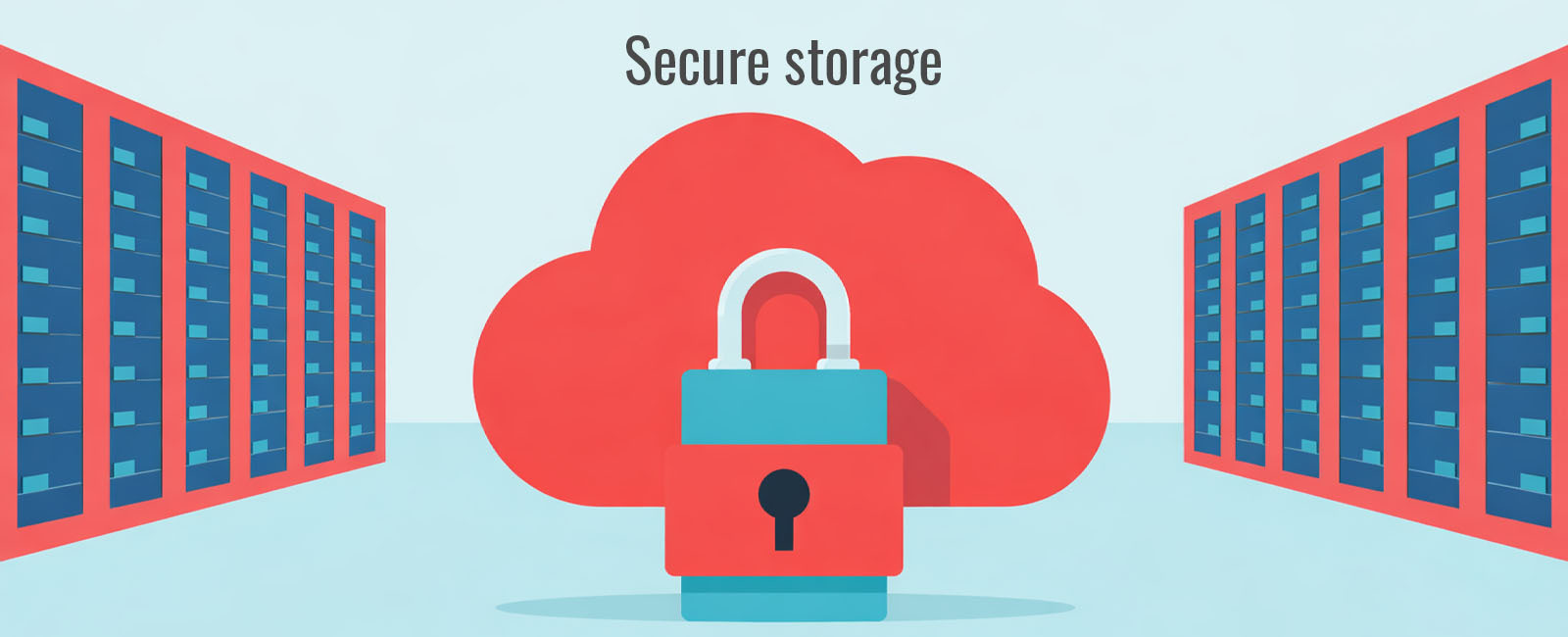
Phones are powerful, but they are still endpoints.
If a device is lost, jailbroken, rooted, or infected, you need to limit the blast radius.
Practical guidance
- store secrets in platform secure storage
- iOS Keychain
- Android Keystore
- avoid storing sensitive data in plain text
- encrypt local caches if they include regulated data
- minimize what you store at all
A good rule is simple.
If you do not need the data offline, do not store it on the device.
Security pillar 3: Encryption done correctly
Encryption is often mentioned, but the details decide whether it helps.
For data in transit
- TLS everywhere
- certificate pinning where appropriate
- strict TLS configuration on APIs
- block weak ciphers and older protocol versions
For data at rest
- encryption for any sensitive cached content
- key management that is not embedded in code
- rotation strategy where feasible
For compliance teams, encryption is not just “use HTTPS.” It is evidence of control.
Security pillar 4: API security is mobile security
Mobile apps are usually thin clients. The real power sits behind APIs.
If APIs are weak, the app can be perfect and you still get breached.
What to enforce
- strong auth on every endpoint
- least privilege scopes
- rate limiting and throttling
- schema validation
- replay protection for critical actions
- idempotency for payment and order flows
- logging with traceability
When we worked with a client whose mobile app was seeing suspicious traffic spikes, the fix was not in the UI. It was in API rate limiting, token scope tightening, and better audit trails.
Security pillar 5: Third party SDK control
Finance and retail apps often include multiple SDKs.
Analytics, attribution, crash reporting, chat, payments, personalization.
Each SDK can introduce:
- data leakage
- supply chain risk
- unexpected network calls
- hidden permissions
What to do
- maintain an SDK inventory
- review SDK permissions and data access
- restrict outbound domains
- update SDKs on a schedule
- remove what you do not need
This is one place where security and privacy teams should work together.
Security pillar 6: Secure payments for finance and retail
If you process card payments, you will be asked about PCI obligations and controls. The PCI Security Standards Council maintains standards and resources that guide payment data security.
Mobile payment security priorities
- never store card data unless required and controlled
- tokenization through trusted payment providers
- strong authentication for payment actions
- fraud detection signals integrated into backend flows
- secure checkout UI patterns that reduce phishing risk
Retail teams also need to think about scripts and payment page integrity in connected web experiences. Even mobile apps can embed web views, so the risk can carry over.
Security pillar 7: Healthcare data protection and auditability
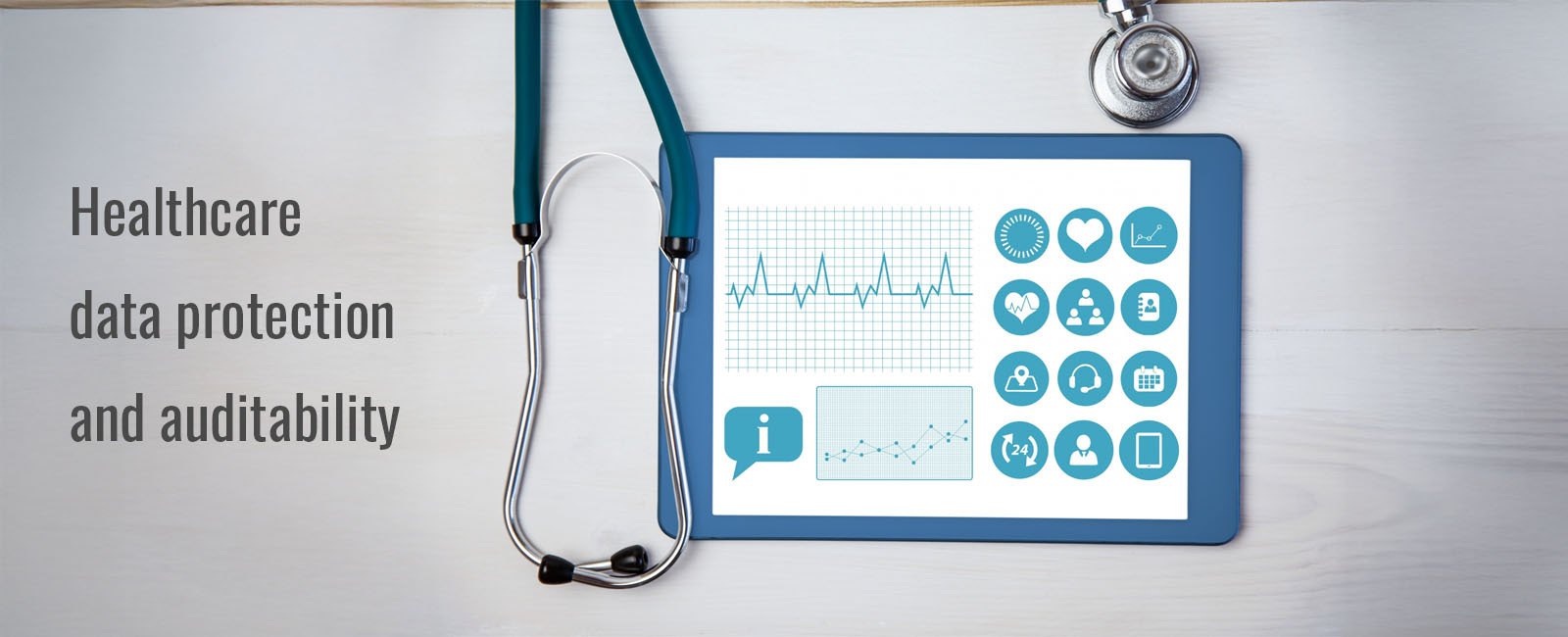
Healthcare is different because privacy is not only a policy. It becomes a daily operational requirement.
What healthcare apps must support
- role based access controls
- audit logs for access and changes
- secure data sharing boundaries
- clear consent flows
- secure messaging patterns
Secure development lifecycle: how to build without slowing down
A common fear is that security will slow delivery.
In practice, security speeds delivery when it is automated.
What to bake into your pipeline
- static analysis on every build
- dependency scanning
- secret detection
- automated test suites
- gated releases for critical changes
- repeatable environment setup
This ties closely to how teams manage CI and release automation.
Testing: what mobile teams should test that they often skip
Security testing that matters
- API penetration testing
- mobile app binary analysis
- jailbreak and root detection checks
- runtime tamper attempts
- authentication bypass attempts
- session replay and token misuse tests
Functional testing that impacts security
- reset flows
- edge cases in onboarding
- permission handling
- offline sync conflict scenarios
Architecture choices that improve security outcomes
Security improves when architecture is clean.
Patterns that help
- clear separation of UI and domain logic
- centralized auth modules
- API gateways with consistent enforcement
- feature flags for controlled rollout
- strong observability across services
If your mobile app is paired with a web admin portal, modern web stacks can help keep development and controls consistent:
Real time monitoring: security also needs speed
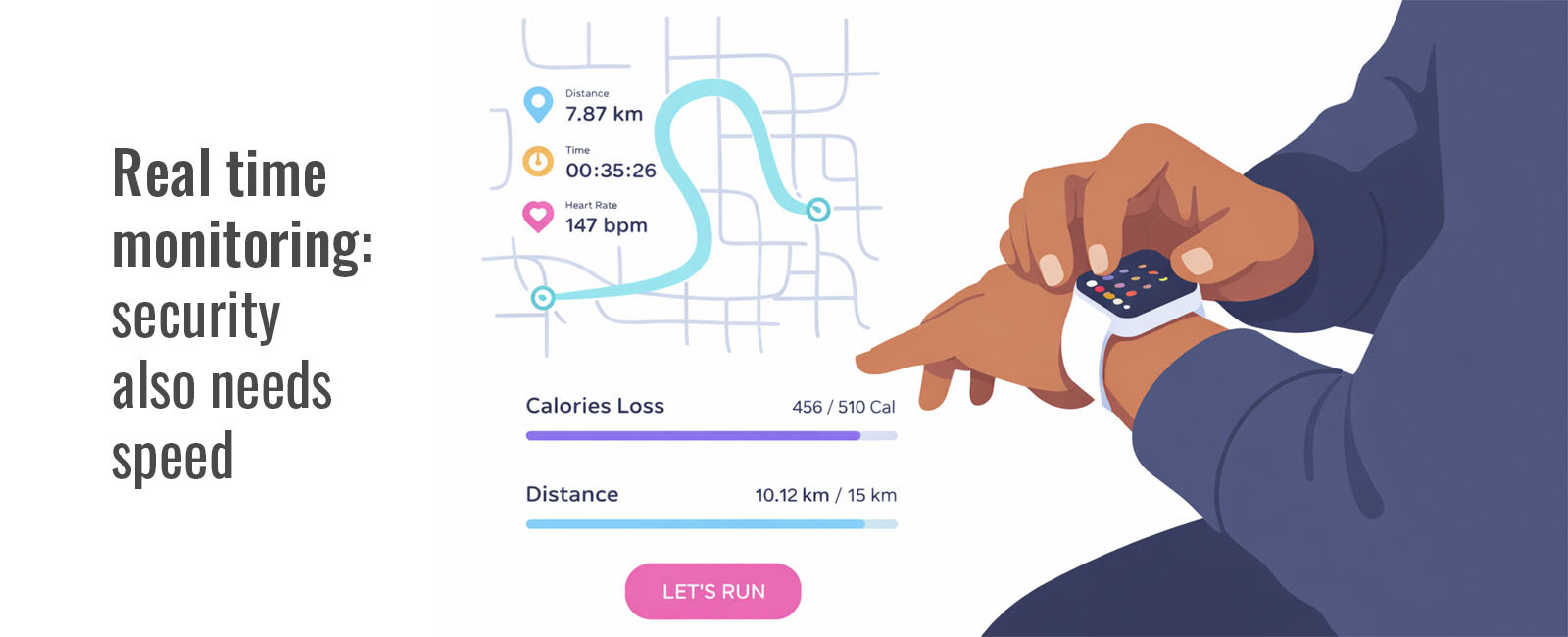
Incidents do not wait for weekly reports.
Security teams need fast signals:
- unusual login patterns
- token reuse anomalies
- payment failure clusters
- unusual API call spikes
- location anomalies
This is where analytics pipelines matter.
In our experience, teams that can see abnormal behavior early reduce the cost of incidents dramatically.
Using chatbots without creating new security gaps
Many apps now add conversational AI for support, onboarding, and self service.
That helps CX and reduces support load, but it introduces a new surface:
- data leakage through prompts
- insecure access to account information
- missing identity checks for sensitive actions
If you are adding AI chat, treat it as a privileged interface.
Industry specific checklist
Here is a scannable checklist you can use in workshops.
Finance app checklist
- MFA for sensitive actions
- fraud signals tied to backend decisions
- device binding or risk scoring where appropriate
- strict session and token rotation
- audit logs for transactions and account actions
Retail app checklist
- secure checkout patterns
- SDK inventory and privacy review
- bot and abuse controls on APIs
- promo and loyalty fraud controls
- payment tokenization and strict logging
Healthcare app checklist
- role based access control with audit logs
- consent flows that are clear
- encryption for stored and transmitted data
- secure messaging patterns
- incident readiness and recovery planning
Where Deuex Solutions fits
At Deuex Solutions, we build mobile products where security is part of delivery, not a late stage add on.
We have seen a clear pattern.
Teams that invest early in identity controls, secure API design, and automated testing move faster over time. They also sleep better during releases.
If you are planning a mobile initiative in finance, retail, or healthcare, you can explore our offering
Closing thought
If you build for finance, retail, or healthcare, mobile security is not a nice to have.
It is a customer experience promise.
Secure apps load fast, handle identity cleanly, protect data quietly, and recover well when something goes wrong. Users do not praise those details. They just trust the product.
That trust is what keeps customers, reduces regulatory risk, and protects brand value.
Related reading
- How Custom Mobile Apps Drive Retention and Revenue Growth
- Why Mobile-First Businesses Win in Customer Experience
- Custom Mobile App Development: How to Tailor Apps for Your Business


Sanket Shah
CEO & Founder
I am Sanket Shah, founder and CEO of Deuex Solutions, where I focus on building scalable web mobile and data driven software products with a background in software development. I enjoy turning ideas into reliable digital solutions and working with teams to solve real world problems through technology.


